Don’t just like it, live it!

Thursday 12 February, 20:00

Blade Runner (Director’s Cut) by Ridley Scott (1992, 1h56), organised by the Société de Lecture, in the presence of Professor Alexandre Pouget.

Ridley Scott’s Director’s Cut of Blade Runner is a hallucinatory neo-noir that probes memory, identity, and what it means to be human. Set in a rain-soaked, neon-lit future, the film combines moody, atmospheric cinematography with philosophical questions about creation and empathy. Harrison Ford’s brooding performance and Vangelis’s iconic score create a haunting, elegiac tone that underscores themes of mortality, longing, and the blurred boundary between man and machine.

In original English version with French subtitles.

11 – 13 February

Artistic direction by Cédric Pescia frames a collective traversal of György Kurtág’s landmark piano cycle Játékok, performed by students and young pianists from HEM, CMG, CPMDT, IJD and pre‑college programmes. The cycle presents Books I–X alongside the world premiere of the unpublished Book XI, a sequence of miniatures that are playful yet exacting. The repertoire explores gesture, texture and concentrated musical language, creating an intimate sonic landscape that balances delicate detail with sudden bursts of intensity. Presented for Kurtág’s centenary and CMG’s 190th anniversary.

11 & 12 February

Nicolas Fayol performs a striking solo that confines the body to a 1.5‑metre landscape, exploring what a man becomes when he can no longer stand. Through contortions, breaths and improvised encounters between hands and feet, he invents new physical vocabularies that blend acrobatics, yoga and hip‑hop. Bathed in precise lighting and accompanied live by the duo Mont Analogue, the piece shifts between animal, child and prehistoric forms, offering a tactile, intimate meditation on human posture and transformation.

11 – 15 February

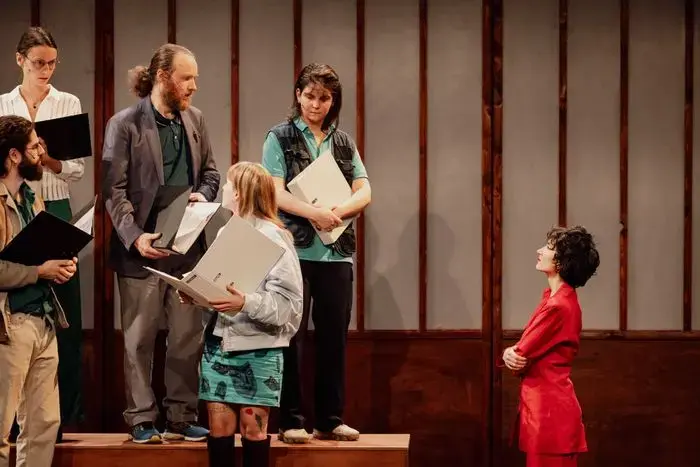
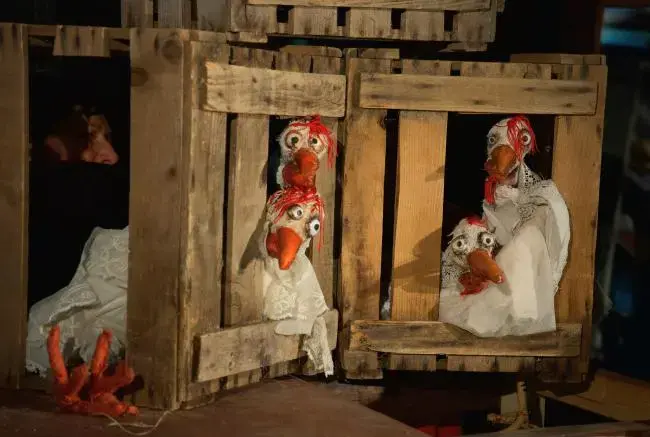
The company Chantal et Bernadette explores, with both naïveté and documentary precision, the foundations and challenges of the education system through the story of Kévin, who feels let down by it. By merging scientific inquiry with theatrical expression, they engage the audience’s critical thinking. This production is a collaborative creation by Arnaud Hoedt, Jérôme Piron, Antoine Defoort, and Clément Thirion, developed in close partnership with researchers, with special attention to set design and technical aspects.

In French.

Thursday 12 February, 19:30

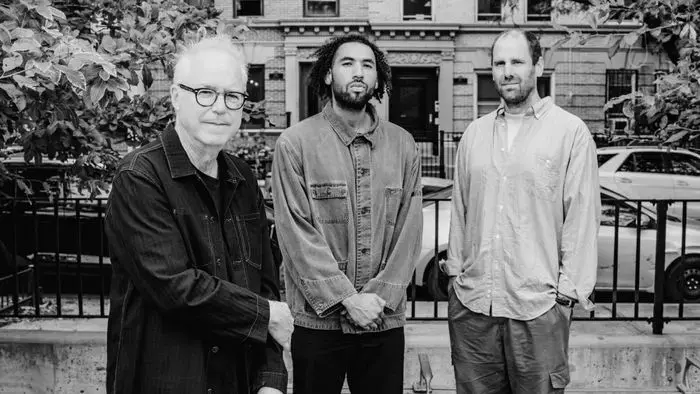
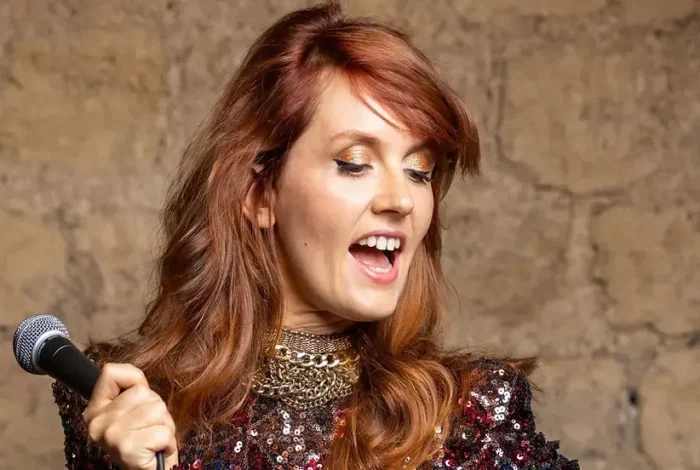
Midlake return with a set that balances radiant folk and contemplative rock. The Texan band blends expansive guitars, vintage keyboards and rich vocal harmonies to create a cinematic soundscape where melodies recall The Beach Boys and sixties–seventies folk. Their new album A Bridge Too Far frames the programme, carried by warm arrangements and layered textures. Signed to Bella Union and seldom seen in Europe, Midlake deliver an immersive, nostalgic yet modern musical experience.

10 – 22 February

Adapted and performed by Felipe Castro, this solo staging probes the absurdity of war, murderous nationalism and the raw misery at the heart of Céline’s writing. Coach José Lillo supports a performance of muscular, visceral language while Natacha Jaquerod’s set, Rinaldo Del Boca’s lighting and Jean Faravel’s sound sculpt stark, claustrophobic atmospheres. The production balances brutal imagery with moments of surprising humanity, revealing the author’s vocation as a doctor through an intimate, relentless theatrical journey.

In French.

Thursday 12 February, 20:00

Blade Runner (Director’s Cut) by Ridley Scott (1992, 1h56), organised by the Société de Lecture, in the presence of Professor Alexandre Pouget.

Ridley Scott’s Director’s Cut of Blade Runner is a hallucinatory neo-noir that probes memory, identity, and what it means to be human. Set in a rain-soaked, neon-lit future, the film combines moody, atmospheric cinematography with philosophical questions about creation and empathy. Harrison Ford’s brooding performance and Vangelis’s iconic score create a haunting, elegiac tone that underscores themes of mortality, longing, and the blurred boundary between man and machine.

In original English version with French subtitles.

11 – 13 February

Artistic direction by Cédric Pescia frames a collective traversal of György Kurtág’s landmark piano cycle Játékok, performed by students and young pianists from HEM, CMG, CPMDT, IJD and pre‑college programmes. The cycle presents Books I–X alongside the world premiere of the unpublished Book XI, a sequence of miniatures that are playful yet exacting. The repertoire explores gesture, texture and concentrated musical language, creating an intimate sonic landscape that balances delicate detail with sudden bursts of intensity. Presented for Kurtág’s centenary and CMG’s 190th anniversary.

11 & 12 February

Nicolas Fayol performs a striking solo that confines the body to a 1.5‑metre landscape, exploring what a man becomes when he can no longer stand. Through contortions, breaths and improvised encounters between hands and feet, he invents new physical vocabularies that blend acrobatics, yoga and hip‑hop. Bathed in precise lighting and accompanied live by the duo Mont Analogue, the piece shifts between animal, child and prehistoric forms, offering a tactile, intimate meditation on human posture and transformation.

11 – 15 February

The company Chantal et Bernadette explores, with both naïveté and documentary precision, the foundations and challenges of the education system through the story of Kévin, who feels let down by it. By merging scientific inquiry with theatrical expression, they engage the audience’s critical thinking. This production is a collaborative creation by Arnaud Hoedt, Jérôme Piron, Antoine Defoort, and Clément Thirion, developed in close partnership with researchers, with special attention to set design and technical aspects.

In French.

Thursday 12 February, 19:30

Midlake return with a set that balances radiant folk and contemplative rock. The Texan band blends expansive guitars, vintage keyboards and rich vocal harmonies to create a cinematic soundscape where melodies recall The Beach Boys and sixties–seventies folk. Their new album A Bridge Too Far frames the programme, carried by warm arrangements and layered textures. Signed to Bella Union and seldom seen in Europe, Midlake deliver an immersive, nostalgic yet modern musical experience.

10 – 22 February

Adapted and performed by Felipe Castro, this solo staging probes the absurdity of war, murderous nationalism and the raw misery at the heart of Céline’s writing. Coach José Lillo supports a performance of muscular, visceral language while Natacha Jaquerod’s set, Rinaldo Del Boca’s lighting and Jean Faravel’s sound sculpt stark, claustrophobic atmospheres. The production balances brutal imagery with moments of surprising humanity, revealing the author’s vocation as a doctor through an intimate, relentless theatrical journey.

In French.

Thursday 12 February, 20:00

Blade Runner (Director’s Cut) by Ridley Scott (1992, 1h56), organised by the Société de Lecture, in the presence of Professor Alexandre Pouget.

Ridley Scott’s Director’s Cut of Blade Runner is a hallucinatory neo-noir that probes memory, identity, and what it means to be human. Set in a rain-soaked, neon-lit future, the film combines moody, atmospheric cinematography with philosophical questions about creation and empathy. Harrison Ford’s brooding performance and Vangelis’s iconic score create a haunting, elegiac tone that underscores themes of mortality, longing, and the blurred boundary between man and machine.

In original English version with French subtitles.

11 – 13 February

Artistic direction by Cédric Pescia frames a collective traversal of György Kurtág’s landmark piano cycle Játékok, performed by students and young pianists from HEM, CMG, CPMDT, IJD and pre‑college programmes. The cycle presents Books I–X alongside the world premiere of the unpublished Book XI, a sequence of miniatures that are playful yet exacting. The repertoire explores gesture, texture and concentrated musical language, creating an intimate sonic landscape that balances delicate detail with sudden bursts of intensity. Presented for Kurtág’s centenary and CMG’s 190th anniversary.

11 & 12 February

Nicolas Fayol performs a striking solo that confines the body to a 1.5‑metre landscape, exploring what a man becomes when he can no longer stand. Through contortions, breaths and improvised encounters between hands and feet, he invents new physical vocabularies that blend acrobatics, yoga and hip‑hop. Bathed in precise lighting and accompanied live by the duo Mont Analogue, the piece shifts between animal, child and prehistoric forms, offering a tactile, intimate meditation on human posture and transformation.

11 – 15 February

The company Chantal et Bernadette explores, with both naïveté and documentary precision, the foundations and challenges of the education system through the story of Kévin, who feels let down by it. By merging scientific inquiry with theatrical expression, they engage the audience’s critical thinking. This production is a collaborative creation by Arnaud Hoedt, Jérôme Piron, Antoine Defoort, and Clément Thirion, developed in close partnership with researchers, with special attention to set design and technical aspects.

In French.

Thursday 12 February, 19:30

Midlake return with a set that balances radiant folk and contemplative rock. The Texan band blends expansive guitars, vintage keyboards and rich vocal harmonies to create a cinematic soundscape where melodies recall The Beach Boys and sixties–seventies folk. Their new album A Bridge Too Far frames the programme, carried by warm arrangements and layered textures. Signed to Bella Union and seldom seen in Europe, Midlake deliver an immersive, nostalgic yet modern musical experience.

10 – 22 February

Adapted and performed by Felipe Castro, this solo staging probes the absurdity of war, murderous nationalism and the raw misery at the heart of Céline’s writing. Coach José Lillo supports a performance of muscular, visceral language while Natacha Jaquerod’s set, Rinaldo Del Boca’s lighting and Jean Faravel’s sound sculpt stark, claustrophobic atmospheres. The production balances brutal imagery with moments of surprising humanity, revealing the author’s vocation as a doctor through an intimate, relentless theatrical journey.

In French.

Saturday 14 February, 11:00

Drawing on physical and digital collections, this workshop explores practical methods for creating and editing images—photographs and illustrations. Participants learn techniques to locate and access relevant resources, manage digital assets, and apply basic editing workflows. The session examines search strategies, account navigation, and how to find online courses or register for related training, equipping attendees with concrete skills to research visual materials and integrate them into personal projects.

In French.

11 – 22 February

Choreographer Ugo Dehaes replaces his human troupe with extravagant robot-dancers endowed with an artificial intelligence that invents their own choreography. Intimate and unsettling, the performance invites the audience to sit around a table as the mechanised performers execute an uncanny, rhythmic ballet. Marie Peeters’ dramaturgy frames questions about labour, profit and the place of culture, while Wannes Deneer’s scenography and musical composition shape a tactile, immersive atmosphere. The piece blends humour, critique and physical precision.

14 – 15 February

An exceptional public release of an institutional costume archive, presenting nearly 15,000 garments, accessories and shoes from opera and dance productions. Institutional costume artisans’ handcrafted pieces range from Renaissance silhouettes to 2000s stagewear, juxtaposing historical tailoring with imaginative theatrical creations. The presentation highlights material workmanship—tailoring, embroidery, textile layering—and reveals how costume constructs character, period and spectacle. The sale evokes questions about preservation, reuse and the afterlife of performance objects while offering close encounters with living fragments of stage history.

Saturday 14 February, 10:00, 11:30 & 14:30

Listen to a Chinese tale, then create a paper dragon bursting with bright colors. Sit close to hear the storyteller’s warm voice as the dragon’s shapes and movements come alive. Decorate, fold and assemble your dragon from paper, giving it a long body to wave and twirl. Feel the paper rustle, see the bright colors, and let your dragon dance in your hands, sparking curiosity and playful creativity.

In French. Kids ages 2–4.

12 – 14 February

Club Amour presents three pieces by the Ensemble Tanztheater Wuppertal Pina Bausch and guest dancers, conceived by Pina Bausch and Boris Charmatz: Café Müller (1978) and two works by Charmatz, Aatt enen tionon (1996) and herses, duo (excerpt 1997). The programme probes desire, proximity and withdrawal between bodies, mixing contrasting aesthetics and music from PJ Harvey to Purcell. For some pieces the audience is placed on stage, creating an intimate, immersive encounter.

Saturday 14 February, 19:00

Organised by Fondation Cap Loisir, this masked Valentine’s ball celebrates love in all its forms through music, dance and live performance. Guests move between communal dances and intimate moments, guided by transformed identities and a playful corridor of metamorphosis where participants are made up and choose masks. The evening blends festive exuberance with tender encounters, crafting a warm, inclusive atmosphere that foregrounds connection, choreography and theatrical surprise.

Thursday 12 February, 20:00

Blade Runner (Director’s Cut) by Ridley Scott (1992, 1h56), organised by the Société de Lecture, in the presence of Professor Alexandre Pouget.

Ridley Scott’s Director’s Cut of Blade Runner is a hallucinatory neo-noir that probes memory, identity, and what it means to be human. Set in a rain-soaked, neon-lit future, the film combines moody, atmospheric cinematography with philosophical questions about creation and empathy. Harrison Ford’s brooding performance and Vangelis’s iconic score create a haunting, elegiac tone that underscores themes of mortality, longing, and the blurred boundary between man and machine.

In original English version with French subtitles.

11 – 13 February

Artistic direction by Cédric Pescia frames a collective traversal of György Kurtág’s landmark piano cycle Játékok, performed by students and young pianists from HEM, CMG, CPMDT, IJD and pre‑college programmes. The cycle presents Books I–X alongside the world premiere of the unpublished Book XI, a sequence of miniatures that are playful yet exacting. The repertoire explores gesture, texture and concentrated musical language, creating an intimate sonic landscape that balances delicate detail with sudden bursts of intensity. Presented for Kurtág’s centenary and CMG’s 190th anniversary.

11 & 12 February

Nicolas Fayol performs a striking solo that confines the body to a 1.5‑metre landscape, exploring what a man becomes when he can no longer stand. Through contortions, breaths and improvised encounters between hands and feet, he invents new physical vocabularies that blend acrobatics, yoga and hip‑hop. Bathed in precise lighting and accompanied live by the duo Mont Analogue, the piece shifts between animal, child and prehistoric forms, offering a tactile, intimate meditation on human posture and transformation.

11 – 15 February

The company Chantal et Bernadette explores, with both naïveté and documentary precision, the foundations and challenges of the education system through the story of Kévin, who feels let down by it. By merging scientific inquiry with theatrical expression, they engage the audience’s critical thinking. This production is a collaborative creation by Arnaud Hoedt, Jérôme Piron, Antoine Defoort, and Clément Thirion, developed in close partnership with researchers, with special attention to set design and technical aspects.

In French.

Thursday 12 February, 19:30

Midlake return with a set that balances radiant folk and contemplative rock. The Texan band blends expansive guitars, vintage keyboards and rich vocal harmonies to create a cinematic soundscape where melodies recall The Beach Boys and sixties–seventies folk. Their new album A Bridge Too Far frames the programme, carried by warm arrangements and layered textures. Signed to Bella Union and seldom seen in Europe, Midlake deliver an immersive, nostalgic yet modern musical experience.

10 – 22 February

Adapted and performed by Felipe Castro, this solo staging probes the absurdity of war, murderous nationalism and the raw misery at the heart of Céline’s writing. Coach José Lillo supports a performance of muscular, visceral language while Natacha Jaquerod’s set, Rinaldo Del Boca’s lighting and Jean Faravel’s sound sculpt stark, claustrophobic atmospheres. The production balances brutal imagery with moments of surprising humanity, revealing the author’s vocation as a doctor through an intimate, relentless theatrical journey.

In French.

Stay in the loop!

Subscribe to Coolturalia’s weekly newsletter and get the best cultural picks delivered straight to your inbox.

CoolBytes

Celebrating Geneva’s vibrant heartbeat and the stories shaping culture today

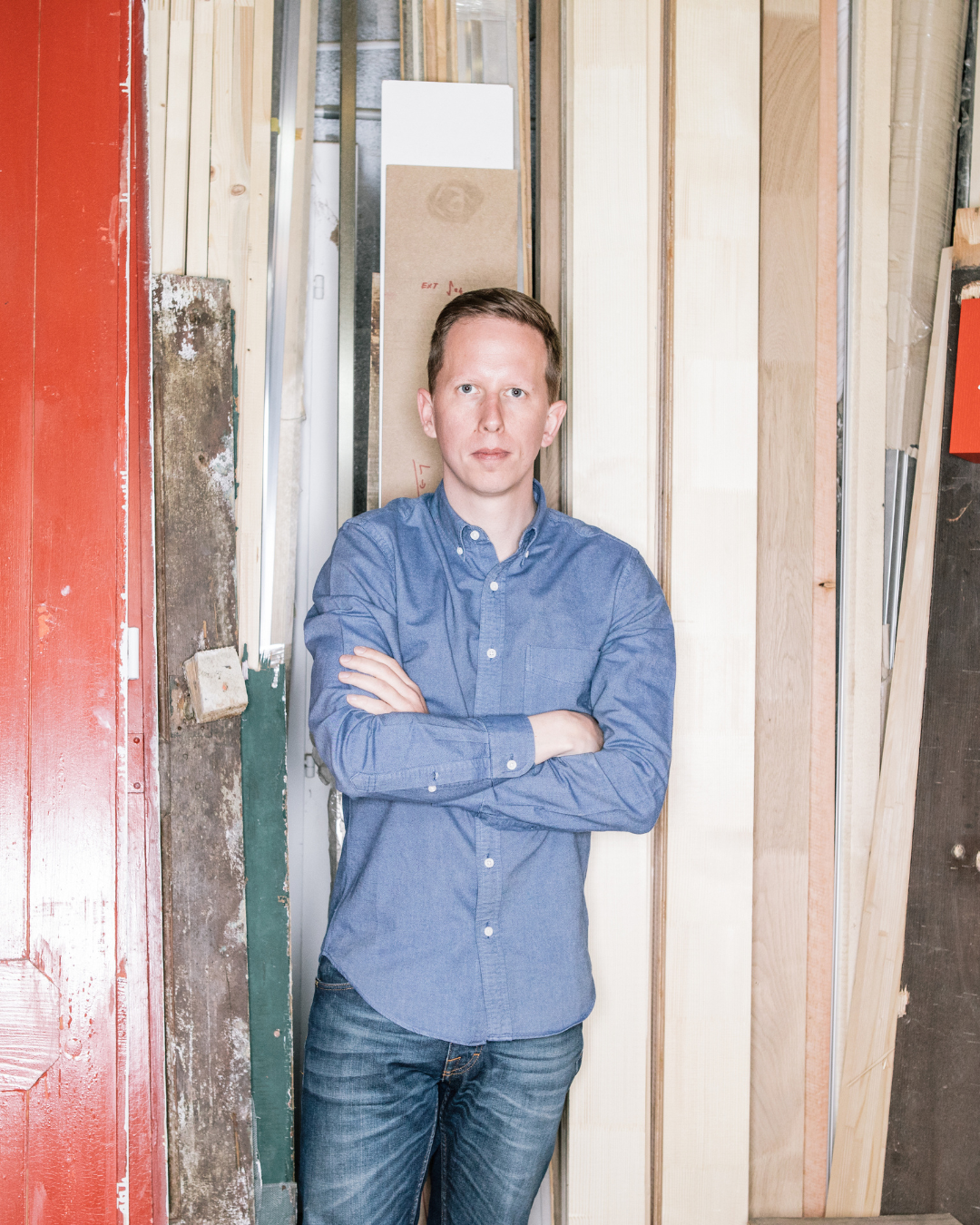
Cultural director of the Société de Lecture, Emmanuel Tagnard shares his Geneva essentials — from must-see landmarks and favorite chocolatiers to the book currently on his bedside table.
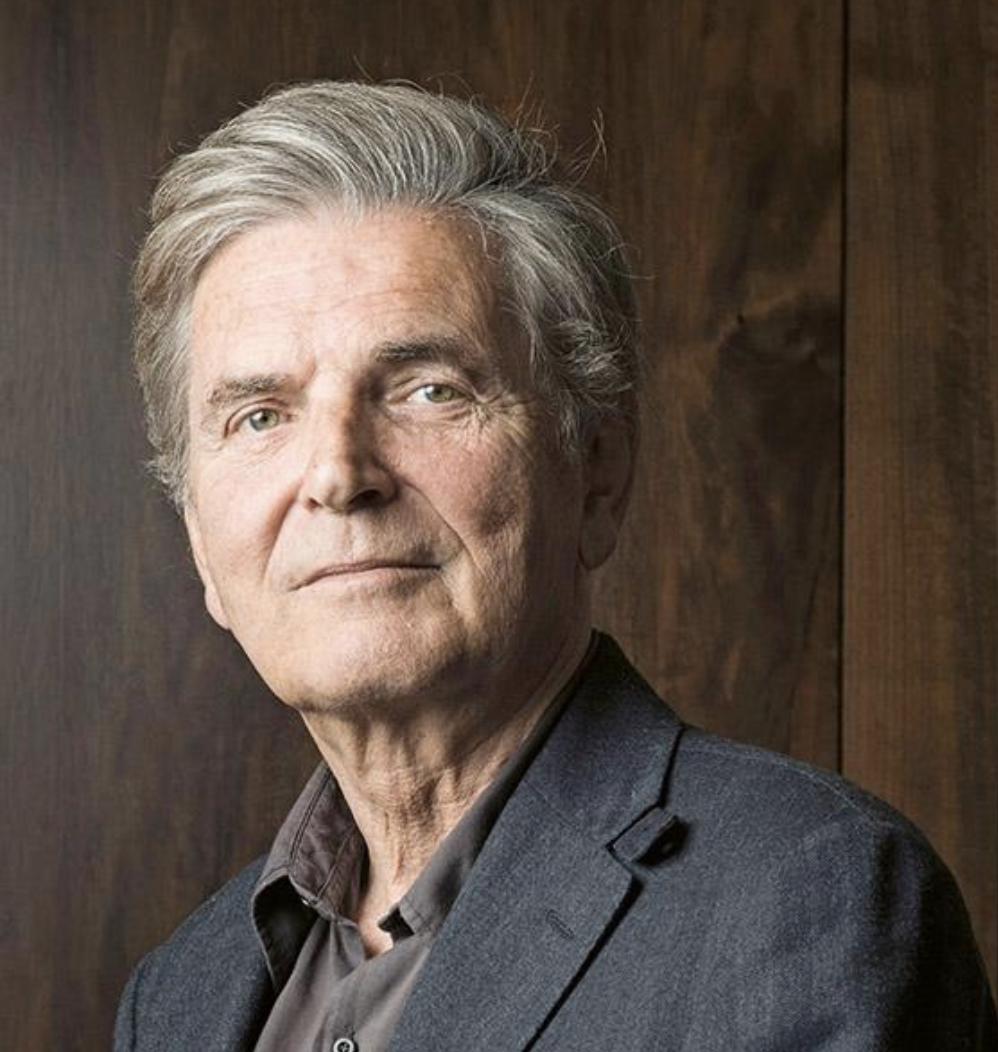
Founder of cult eco-soap company The Soap and the Sea, Lucia Rochat, shares her Geneva favorites, from her go-to chocolate to hidden local spots, and the cultural event she wouldn’t miss for anything.

Geneva Classics

Visiting for the first time? A quick guide to the city’s top attractions.

The MEG is a renowned museum dedicated to the exploration and presentation of cultural diversity from around the world. Located in the heart of Geneva, it houses an extensive collection of over 80,000 objects, including artifacts, textiles, and artworks that highlight the rich traditions and histories of various communities. The museum emphasizes interactive and immersive exhibitions, engaging visitors with contemporary issues related to culture and identity.

Cool fact: The e-MEG app serves as a digital twin of the permanent exhibition, providing an audio guide and detailed descriptions along with photographs of all displayed objects.

Array

– CLOSED FOR RENOVATION –

Since its opening in 1994, the MAMCO Geneva (Musée d’art moderne et contemporain)  has staged 450 exhibitions with works dating from the 1960s to the present day. Mamco’s holdings include works by Christo, Martin Kippenberger, Jenny Holzer, Dan Flavin, Sarkis, Franz Erhard Walther and Sylvie Fleury, among many others.

Cool fact: The MAMCO is the epicenter of the “Nuit des Bains”, held three times a year.  During this event, the district around the museum is transformed into a large gallery and attracts thousands of art lovers and sightseers each night.

Array

With a collection of 27,000 items from Switzerland, Europe and the Middle and Far East, and a witness to twelve centuries of ceramic art from the Middle Ages to modern times, the Ariana is one of Europe’s great museums specializing in glass and ceramics.

Cool fact: On the first Sunday of each month, the Ariana Museum opens its temporary exhibitions to the public.

Array

Add to Calendar

Select the date to be saved in your Google calendar.

calendar placeholder

Done!

Event removed from your CoolAgenda.

Yeah!

Event Saved to your CoolAgenda

Add to CoolAgenda

In your CoolAgenda

Reset password

Password was reset

Your password has been reset successfully. You can now log in with your new password.

Check your Inbox

We’ve sent you a password reset email to the address provided. Please check your inbox and/or spam folder.

Forgot your password?

Thank you!

Please check your inbox for a verification email to complete your sign-up.

Sign Up

Create your Account and Culture Up!